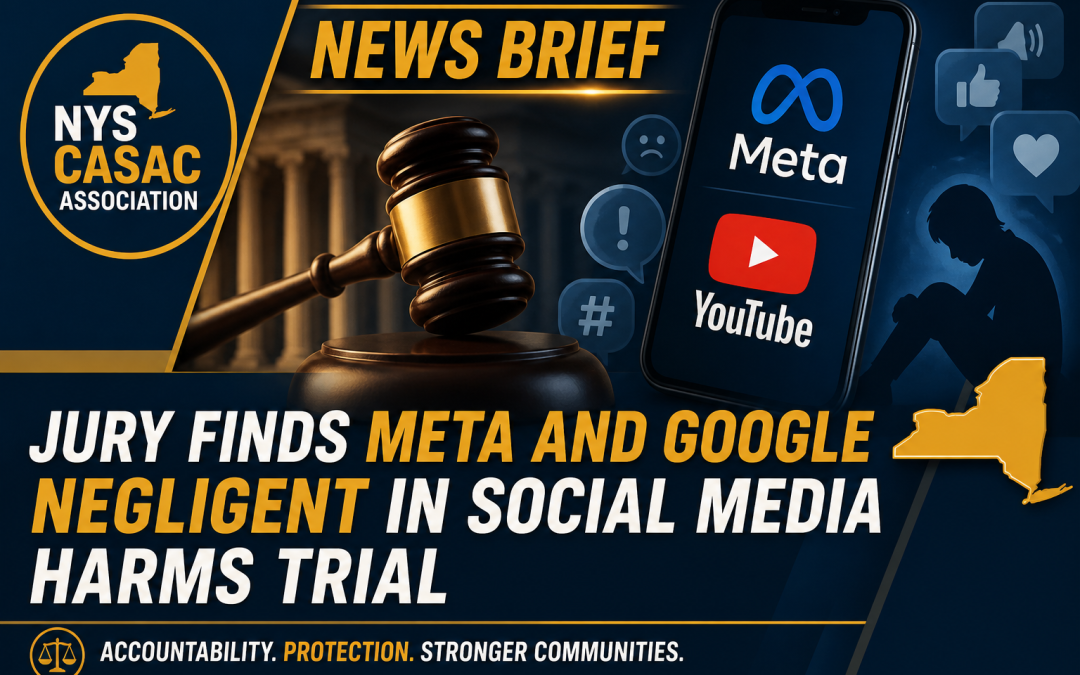
A Los Angeles jury has delivered a verdict that could reshape how the U.S. talks about youth mental health and platform accountability. In the case covered by NPR, jurors found Meta and Google’s YouTube liable for harms tied to addictive design, awarding $6 million to a young woman identified in court records as K.G.M. The jury found the companies negligent and placed a greater share of fault on Meta than on YouTube. Both companies have signaled they plan to appeal, so this story is not over. But the verdict itself is a loud signal that courts are taking these claims seriously.
This is also part of a bigger legal wave. Social media addiction lawsuits have been growing across the country, with families and states arguing that platform features are engineered to keep young users locked in, even when it causes harm. The NPR report describes the core of the case, the arguments about product design and safety, and why the jury’s decision matters beyond one person’s damages award. It also frames how this verdict fits into the broader fight over whether tech companies can be held responsible for injuries arising from engagement-based design.
If you work with teens, parents, or schools, this is worth your attention. This is not only a legal story. It is a clinical story. It is a family systems story. It is a risk story. These cases keep forcing one hard question into the open. When a product is built to drive compulsive use, who holds responsibility when a young person spirals? If you want the clearest breakdown of the verdict, the claims, and what may come next, read the full NPR article here.